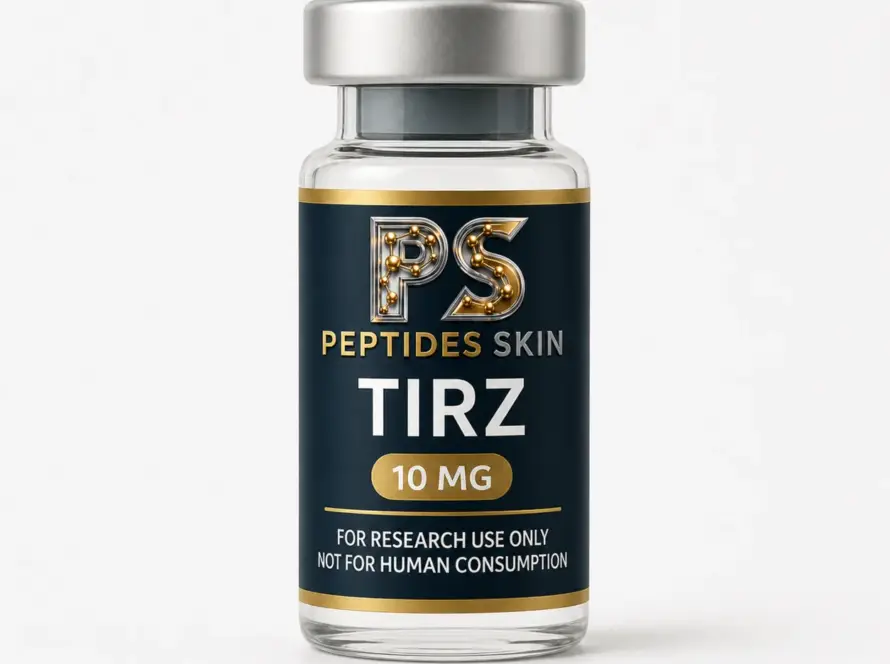
Research peptides are peptide materials intended for laboratory research use only. They are commonly studied for their amino acid sequence, molecular identity, purity, analytical characteristics, and documentation profile.
Unlike general discussions about peptides, research peptides should be reviewed in a controlled scientific context. Researchers usually evaluate these materials by looking at product identity, batch information, testing references, purity data, and research-use-only labeling.
This guide explains what research peptides are, how they differ from general peptides and therapeutic peptides, and what researchers should check when reviewing research peptides, peptide documentation, and online suppliers.
What Are Research Peptides?
Quick Answer
Research peptides are peptide materials intended only for laboratory research. They are studied for properties such as amino acid sequence, molecular identity, purity, and analytical behavior. They are not intended for human use, veterinary use, cosmetic use, diagnostic use, or therapeutic use.
A peptide is a short chain of amino acids connected by peptide bonds. A research peptide is a peptide material supplied and discussed specifically for research-use-only laboratory settings.
In research contexts, peptides may be reviewed for structure, sequence, purity, identity, and documentation. The focus is not on personal use or medical outcomes. The focus is on scientific review, analytical testing, and clear product documentation.
Simple Definition of Research Peptides
A research peptide is a peptide material used for scientific study in a controlled research environment. It is usually evaluated together with technical information such as molecular weight, peptide sequence, batch number, purity percentage, and a Certificate of Analysis.
Key Point
Research peptides should be evaluated based on laboratory relevance, testing documentation, and transparency, not personal-use claims.
How Research Peptides Differ From General Peptides
The word “peptides” can refer broadly to many short amino acid chains found in natural systems or produced synthetically. The phrase “research peptides” is more specific. It refers to peptide materials intended for laboratory research only.
For a beginner-friendly explanation of peptide basics, read our guide on what peptides are.
Why Research-Use-Only Labeling Matters
Research-use-only labeling helps define the intended context of the material. It tells researchers that the product is presented for scientific research and documentation review, not for human, veterinary, cosmetic, diagnostic, or therapeutic use.
Compliance Note
Responsible peptide education should focus on structure, purity, testing, documentation, and laboratory context. It should avoid dosage guidance, personal-use claims, treatment claims, or exaggerated marketing language.
Research Peptides vs Therapeutic Peptides
Quick Answer
Research peptides are intended for laboratory research only. Therapeutic peptides are different because they relate to approved medical or clinical use under regulated conditions. Research peptides should not be described or marketed as treatments, supplements, cosmetics, or personal-use products.
One of the most important distinctions is the difference between research-use-only peptide materials and therapeutic peptide products. These categories should not be mixed.
Research Peptides
Research peptides are reviewed in laboratory and analytical settings. Researchers may evaluate their sequence, purity, identity, molecular weight, and documentation.
Used for Laboratory, Analytical, and Mechanistic Research
In laboratory research, peptides may help researchers explore molecular structure, protein fragments, binding models, analytical testing methods, and structure-activity relationships.
Therapeutic Peptides
Therapeutic peptides are different. They relate to medical or clinical use only when properly approved and regulated. Research peptides should not be presented as therapeutic products.
Important Difference
A research peptide product page should not make medical, cosmetic, diagnostic, veterinary, or therapeutic claims.
Quick Comparison Table
| Category | Research Peptides | Therapeutic Peptides |
|---|---|---|
| Primary context | Laboratory research | Approved medical or clinical use |
| Evaluation focus | Sequence, identity, purity, documentation | Clinical safety, efficacy, regulatory approval |
| Product labeling | Research-use-only | Regulated therapeutic labeling |
| Personal use claims | Should be avoided | Only under approved medical regulation |
How Are Research Peptides Studied in Laboratory Settings?
Research peptides are studied in controlled laboratory contexts because their amino acid sequences and molecular properties can help researchers explore specific scientific questions.
Amino Acid Sequence Analysis
Peptides are made from amino acids arranged in a specific order. This order is called the amino acid sequence. Researchers may review peptide sequences to understand structure, identity, and how different molecular arrangements compare.
Molecular Identity Research
Molecular identity is important because researchers need to confirm that a material matches the expected compound. Identity-related information may include molecular weight, sequence information, and analytical testing references.
Protein Fragment and Binding Studies
Some peptides are studied as smaller fragments related to larger protein structures. In certain research models, peptides may be reviewed for binding behavior, molecular recognition, or structural relationships.
Structure-Activity Relationship Research
Structure-activity relationship research explores how changes in molecular structure may affect observed behavior in a research model. In peptide research, this can involve comparing sequences, substitutions, or molecular features.
Key Point
The role of a research peptide depends on the peptide sequence, study design, analytical method, and laboratory objective.
Natural Peptides vs Synthetic Research Peptides
Quick Answer
Natural peptides occur in biological systems, while synthetic research peptides are produced using laboratory methods. Synthetic peptides are often used in research because they can be made with defined sequences, specifications, and documentation.
What Are Natural Peptides?
Natural peptides are found in biological systems. They may be involved in signaling, communication, or structural processes within those systems.
What Are Synthetic Peptides?
Synthetic peptides are produced through laboratory methods. In research settings, synthetic peptides are often reviewed with technical documentation such as product identity, molecular weight, purity information, and batch-specific records.
Why Synthetic Peptides Are Common in Research
Synthetic research peptides can be useful in laboratory settings because they allow researchers to work with defined amino acid sequences and controlled specifications.
Documentation Advantages
- Defined peptide sequence
- Clear molecular identity information
- Purity testing references
- Batch or lot number traceability
- Certificate of Analysis availability
Why Peptide Purity Matters in Research
Quick Answer
Peptide purity describes the percentage of the target peptide detected in a tested sample under specific analytical conditions. Purity matters because it helps researchers evaluate material consistency, but it should always be reviewed together with testing method, identity information, and batch documentation.
What Is Peptide Purity?
Peptide purity refers to the percentage of the target peptide present in a tested sample. For example, a product may list a purity percentage based on an analytical method such as HPLC.
Why Purity Should Not Be Reviewed Alone
A purity percentage is useful, but it is not the full picture. Researchers should also review the testing method, product identity, batch number, molecular weight, and available documentation.
Purity, Identity, and Batch Documentation
Strong research peptide documentation connects purity information to a specific product and batch. This helps researchers understand which material was tested and how the documentation relates to the product being reviewed.
Quality Check
A good research peptide quality review includes product identity, purity data, testing method, batch number, and a clear research-use-only context.
Common Testing Methods for Research Peptides
Testing methods help researchers evaluate whether a peptide material is supported by clear analytical documentation. Two common references in peptide documentation are HPLC and LC-MS.
HPLC Testing for Peptide Purity
HPLC stands for High-Performance Liquid Chromatography. It is commonly used in analytical settings to evaluate peptide purity.
What HPLC Helps Researchers Evaluate
HPLC can help separate and measure components in a sample. In peptide documentation, it may support a reported purity percentage.
LC-MS Testing for Peptide Identity
LC-MS stands for Liquid Chromatography-Mass Spectrometry. It is commonly used to support molecular identity confirmation by comparing detected mass with expected molecular weight.
Why Molecular Weight Confirmation Matters
Molecular weight information can help researchers confirm that the material being reviewed aligns with the expected peptide identity.
Why Testing Methods Should Be Listed Clearly
A research peptides supplier should make testing references easy to review where available. A purity number without a testing method is less useful than a purity result connected to clear analytical documentation.
What Is a COA for Research Peptides?
Quick Answer
A COA, or Certificate of Analysis, is a document that provides batch-specific testing information for a material. For research peptides, a COA may include product name, batch number, purity percentage, testing method, molecular weight, and test date.
Certificate of Analysis Definition
A Certificate of Analysis is a document used to summarize quality-related and testing-related information for a specific batch of material.
What a Research Peptide COA May Include
- Product name
- Batch or lot number
- Purity percentage
- Testing method
- Molecular weight
- Test date
- Laboratory or authorization details
Why COA Documents Matter
COA documentation helps researchers connect a peptide material to a specific batch. This supports transparency, traceability, and better research recordkeeping.
How COAs Support Transparency
A clear COA gives researchers more information than a simple product description. It helps show whether the supplier provides technical documentation rather than relying only on marketing language.
For a deeper guide, read our upcoming article on Certificate of Analysis for research peptides.
How to Evaluate a Research Peptides Supplier
When choosing a research peptides supplier, researchers should look beyond product names and pricing. Documentation, transparency, and research-use-only labeling are important.
Supplier Documentation Checklist
- Clear research-use-only labeling
- Available Certificate of Analysis
- Batch or lot number information
- Purity testing details
- Testing method references
- Product identity information
- Contact and support information
- Transparent product pages
Documentation Tip
A supplier is easier to evaluate when product pages clearly connect product identity, purity information, batch records, and available testing references.
Red Flags Researchers Should Notice
Researchers should be cautious when supplier pages include broad claims but provide limited documentation.
- Missing COA information
- Generic purity claims without testing references
- No batch or lot number information
- Unclear product identity
- Unsupported personal-use claims
- Product pages with limited technical detail
Supplier Evaluation Rule
Transparent documentation is usually more useful than aggressive marketing language.
Why Transparency Matters More Than Price
Price can be one part of supplier comparison, but it should not be the only factor. Researchers should also review documentation, testing references, research-use-only labeling, and product page clarity.
For a complete supplier checklist, read our guide on choosing a research peptides supplier.
Research Peptides for Sale: What Researchers Should Check
Quick Answer
Researchers reviewing research peptides for sale should check COA availability, batch details, purity information, testing methods, product identity, and research-use-only labeling before comparing suppliers or product catalogs.
Commercial search terms like “research peptides for sale” and “buy research peptides online” often appear when researchers are comparing suppliers. These searches should be approached with a documentation-first mindset.
Documentation Before Purchase Intent
Before choosing any research peptide catalog, researchers should review whether the supplier provides enough technical information to evaluate the material.
Research-Use-Only Product Pages
Product pages should clearly communicate that the materials are intended for research use only. They should focus on product identity, documentation, purity, and testing references.
Commercial Search Intent Without Unsafe Claims
It is possible to compare research peptides online without relying on unsafe or unsupported claims. A responsible page should focus on supplier transparency, documentation, and research context.
Commercial Keyword Note
Terms such as research peptides supplier, research peptides for sale, buy research peptides online, and research peptide catalog should be used naturally inside helpful content, not repeated excessively.
Where to Buy Research Peptides Online for Laboratory Research
When searching for where to buy research peptides online, researchers should choose documentation-focused peptide catalogs that make product information easy to review.
Choose Documentation-Focused Peptide Catalogs
A professional research peptide catalog should provide clear product pages, research-use-only notices, and available documentation references.
Look for Clear Research-Use-Only Labeling
Clear research-use-only labeling helps separate laboratory research materials from products making personal-use or therapeutic claims.
Review Product Information Before Choosing a Supplier
Researchers should review product identity, purity information, batch details, and testing references before choosing a supplier.
Official Catalog
Researchers looking for documentation-focused research-use-only peptide materials can visit the official Peptides Skin research peptide catalog.
Research-Use-Only Disclaimer
Research peptides should be discussed in a research-use-only context. This article is educational and does not provide medical, veterinary, cosmetic, diagnostic, or therapeutic guidance.
Educational Purpose of This Article
This article is designed to explain peptide terminology, documentation concepts, and supplier evaluation factors for research-focused readers.
No Human, Veterinary, Cosmetic, Diagnostic, or Therapeutic Use
The materials discussed are not intended for human use, veterinary use, cosmetic use, diagnostic use, or therapeutic use.
Why Responsible Peptide Education Matters
Responsible peptide education should help readers understand scientific terminology and documentation without encouraging misuse or unsupported claims.
Final Thoughts: What Are Research Peptides?
Research peptides are peptide materials intended for controlled laboratory research use only. They are studied for characteristics such as amino acid sequence, molecular identity, purity, analytical behavior, and documentation.
When reviewing research peptides, researchers should focus on COA availability, batch numbers, testing methods, product identity, and research-use-only labeling.
A reliable research peptides supplier should provide clear product information, transparent documentation, and responsible research-use-only presentation.
Frequently Asked Questions About Research Peptides
What are research peptides?
Research peptides are peptide materials intended for laboratory research use only. They are studied for properties such as amino acid sequence, molecular identity, purity, and analytical behavior.
Are research peptides the same as regular peptides?
Peptides are short chains of amino acids. Research peptides are peptide materials specifically supplied and discussed for laboratory research purposes only.
What is the difference between research peptides and therapeutic peptides?
Research peptides are intended for laboratory research only. Therapeutic peptides relate to approved medical or clinical use under regulated conditions. These categories should not be mixed.
What are research peptides used for in laboratory research?
Research peptides may be studied for amino acid sequence analysis, molecular identity research, protein fragment studies, binding models, structure-activity relationships, and analytical method development.
What should researchers check before buying research peptides online?
Researchers should check COA availability, batch numbers, purity testing, testing methods, product identity, research-use-only labeling, and supplier transparency.
What is a COA for research peptides?
A COA, or Certificate of Analysis, is a document that provides batch-specific testing information such as product name, purity percentage, testing method, molecular weight, and test date.
Why is peptide purity important?
Peptide purity helps researchers understand the percentage of the target peptide detected in a tested sample. It should be reviewed together with testing methods and batch documentation.
What is HPLC testing for research peptides?
HPLC, or High-Performance Liquid Chromatography, is commonly used in analytical settings to evaluate peptide purity.
What is LC-MS testing for research peptides?
LC-MS, or Liquid Chromatography-Mass Spectrometry, is commonly used to support molecular identity confirmation by comparing detected mass with expected molecular weight.
Where can researchers find research peptides for sale?
Researchers can review documentation-focused peptide catalogs that provide research-use-only product information, COA references, batch details, and transparent product pages.