⚠️ RESEARCH DISCLAIMER
All products mentioned, including peptide reta, are strictly intended for laboratory research, in vitro signaling assays, and in vivo laboratory evaluations. These compounds are not approved for human consumption, therapeutic, diagnostic, or dietary use. Any reference to physiological effects relates purely to observations within scientific literature and controlled laboratory research models.
The Molecular Mechanisms of Peptide Reta: A Technical Research Review
Understanding Peptide Reta: The Essentials
Definition of Peptide Reta
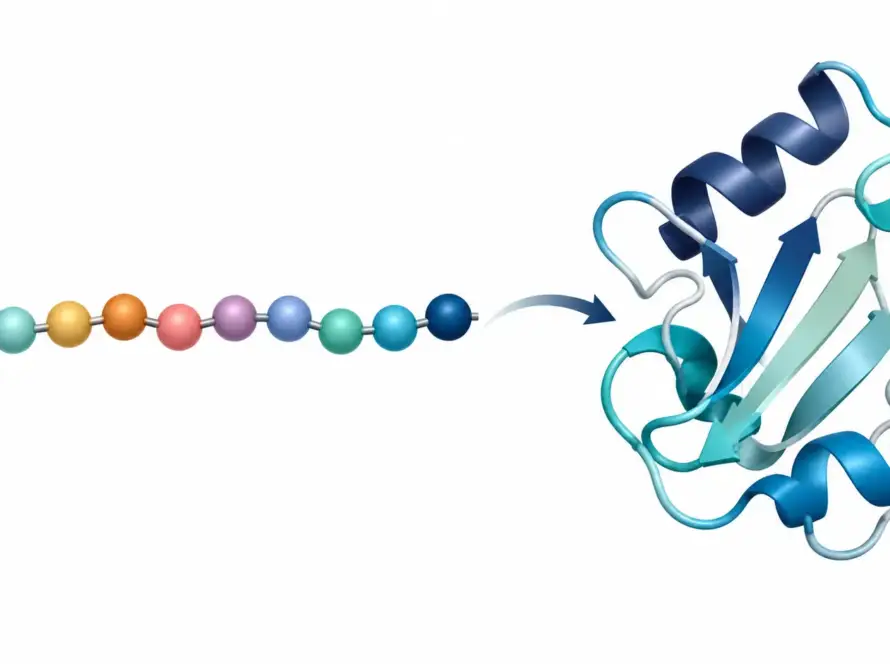
Peptide reta refers to a highly specialized synthetic peptide sequence engineered to interact with specific metabolic receptors. Structurally, peptides are short chains of amino acids linked by covalent peptide bonds, serving as the fundamental signaling units in biochemical research. Due to its distinct receptor affinity, peptide reta has become a primary subject of focus in metabolic, cellular, and regenerative scientific literature.
Chemical Structure and Function
The specific sequence and spatial configuration of amino acids in peptide reta dictate its binding affinity with cellular receptors. In biochemical studies, minor variations in a peptide’s primary structure can significantly alter its stability, half-life, and biological activity.
In laboratory models, research demonstrates that peptide reta participates in complex structural pathways that modulate metabolic homeostasis, cellular repair, and signaling cascades. Investigating these structures allows researchers to understand how synthetic peptides influence underlying biological mechanisms.
Primary research focus areas for peptide reta include:
- Receptor pathway regulation (GLP-1, GIP, and Glucagon pathways)
- Cellular tissue synthesis and repair kinetics
- Endocrine signal transduction mapping
Types of Peptides and Their Classification
Short vs. Long Peptides
Peptides are systematically categorized by the total count of amino acids within their chain. Short-chain peptides generally consist of fewer than 20 amino acids, ensuring distinct absorption and binding characteristics in laboratory assays. Long-chain peptides contain a higher density of molecular links, altering their structural complexity.
Furthermore, compounds are classified by their origin. Natural peptides are synthesized endogenously within biological organisms, whereas synthetic research peptides are precisely manufactured in laboratory environments to isolate and study specific molecular pathways. For a deeper understanding of these compounds, you can review our foundational guide on what are research peptides and their strict laboratory classifications.
Analytical Classes of Peptides
| Peptide Category | Analytical Description | Research Application |
|---|---|---|
| Incretin Mimetics | Compounds that replicate metabolic receptor signaling | Metabolic signaling and homeostasis analysis |
| Structural Peptides | Chains designed to trigger extracellular matrix proteins | Dermatological and collagen expression assays |
| Synthetic Analogues | Lab-engineered sequences with enhanced metabolic stability | Receptor affinity and pharmacokinetics tracking |
Observed Properties of Peptide Reta in Research Models
Tissue Synthesis and Cellular Repair
In vivo research profiles indicate dthat peptide reta exhibits structural properties that influence protein synthesis pathways. When evaluated in laboratory models, the compound demonstrates an ability to interact with growth-inducing signaling networks, accelerating cellular repair timelines and enhancing nitrogen retention within muscle tissue matrices under observation.
Metabolic Pathways and Lipid Regulation
Data from ongoing laboratory evaluations suggest that peptide reta plays a key role in metabolic acceleration. By targeting specific multi-receptor pathways, it assists in evaluating structural changes in lipid metabolism, fat oxidation, and metabolic efficiency within animal test subjects.
Extracellular Matrix and Collagen Expression
In vitro studies focusing on cellular aging indicate that peptide reta structures can influence fibroblast activity. This interaction promotes the upregulation of structural proteins, including collagen and elastin, which are critical elements for maintaining skin elasticity and structural integrity in tissue models.
Applications of Peptide Reta in Laboratory Settings
Therapeutic Research Frameworks
Peptide reta is extensively utilized in clinical research environments targeting complex metabolic conditions. Researchers study its multi-agonist profile to map therapeutic pathways for obesity models, insulin resistance, and associated cellular dysfunctions, providing vital data for advanced biochemical development.
Comparative Analytical Evaluations
In laboratory settings, peptide reta is compared to single and dual-agonist compounds to measure differences in enzymatic stability and receptor binding speed. These comparative studies help scientists understand how multi-targeted peptide architectures optimize cellular energy expenditure. For institutions and laboratory professionals looking to conduct comparative assays, you can purchase peptide reta for laboratory evaluation directly through our verified chemical catalog, ensuring maximum purity standards for in vivo modeling.
Scientific Consensus and Overview on Peptide Reta Research
Technical Specifications for Laboratory Evaluation
According to clinical biochemistry literature, peptide reta functions primarily as a synthetic triple receptor agonist. Researchers studying metabolic pathways utilize this compound to analyze its simultaneous interactions with the following endogenous receptor targets:
- GIP (Gastric Inhibitory Polypeptide) Receptor: Evaluated for its role in cellular lipid buffering and systemic energy homeostasis.
- GLP-1 (Glucagon-Like Peptide-1) Receptor: Observed in research models to determine its influence on glucose-dependent insulin secretion pathways.
- Glucagon Receptor (GCGR): Studied to track its kinetic impact on hepatic glucose production and energy expenditure tracking.
Because peptide reta targets three distinct metabolic pathways concurrently, it offers a highly advanced profile for comparative in vivo analysis against traditional single or dual-agonist sequences.
Safety Profiles and Handling Parameters in Research
Observed Technical Variations
During laboratory testing and data collection, specific handling metrics and concentrations can result in variable outcomes. Documented baseline observations in research literature highlight transient fluctuations in enzymatic levels, gastrointestinal signaling markers, or localized test site sensitivity.
Long-Term Data Analysis
Comprehensive, long-term toxicological profiles for peptide reta remain under active investigation across global research facilities. Consistent monitoring of laboratory data is essential to establish complete profiles regarding receptor desensitization over extended test cycles.
Laboratory Precautions and Storage Protocol
To maintain structural stability and prevent degradation of the peptide bonds, peptide reta must be stored under precise environmental conditions. Lyophilized powder should be kept under refrigeration, and all reconstitution protocols must follow strict aseptic laboratory guidelines.
Laboratory Procurement & Reagents
Qualified research facilities can acquire high-purity reference materials for independent study and signal transduction assays.
Acquire Peptide Reta Reference SamplesFAQ: Technical Research Questions About Peptide Reta
What is the primary mechanism of peptide reta in laboratory models?
Peptide reta functions as a multi-receptor agonist, interacting directly with specific metabolic pathways to regulate cellular energy balance and signal transduction.
How does peptide reta influence tissue repair studies?
In vivo models suggest that the peptide enhances cellular signaling linked to protein synthesis, leading to faster tissue matrix recovery and development under controlled observation.
What is the primary purpose of Peptide Reta in biochemical research?
In scientific and laboratory research, Peptide Reta is used exclusively to study the synergistic effects of triple-agonist compounds on metabolic rate, tissue matrix synthesis, and receptor signaling efficiency. It serves as a benchmark sequence for analyzing advanced cellular energy expenditure models and is strictly prohibited from human therapeutic applications or dietary supplementation.
What are the critical storage guidelines for peptide reta?
To preserve maximum purity and avoid molecular degradation, the compound should be stored in a temperature-controlled environment away from direct light and moisture.
What is the structural difference between synthetic and natural peptides?
Natural peptides are produced internally by biological systems, whereas synthetic peptides like peptide reta are laboratory-engineered to achieve specific purity levels and targeted receptor affinities.
How is the chemical quality of a research peptide verified?
Quality is determined through rigorous analytical testing, including High-Performance Liquid Chromatography (HPLC) and Mass Spectrometry (MS) to verify purity profiles. For step-by-step verification protocols, researchers can reference our comprehensive peptide quality checklist, or consult our dedicated report on reading a Certificate of Analysis (COA) guide.
Conclusion: Future Directions in Peptide Reta Research
Summary of Key Findings
Peptide reta represents a highly advanced structural compound showing immense potential across metabolic, tissue repair, and cellular aging research tracks. Its multi-targeted approach continues to yield crucial insights within biochemical sciences.
Strict Handling Best Practices
Maintaining precise handling protocols, controlled environment calibration, and accurate chemical tracking is fundamental to ensuring verifiable results in any research configuration using peptide reta.